
"country coffee classification"
2000 article(s) found

What are the differences between high-altitude coffee beans? What is the level of classification? What factors affect the flavor?
Professional coffee knowledge exchange more coffee bean information Please pay attention to the coffee workshop (Wechat official account cafe_style) what are the differences between high-altitude coffee beans? What is the level of classification? Is altitude a factor affecting flavor? The rating of Central American coffee is based on the altitude at which the coffee grows. Mexico, Honduras, Haiti and other countries are graded by height: Strictly High G.

Classification of Coffee beans Coffee Origin Coffee Coffee practice
Arabica was the only kind of coffee beans, then in the 19th century, there was a large area of diseases and insect pests, coffee growers began to look for other varieties of coffee resistant to diseases and insect pests, so Rob's special was discovered and began to be planted artificially. Robert's special growth in low-altitude areas, characterized by resistance to diseases and insect pests, cold, drought resistance, a word description, thick, but the taste is relatively comparative
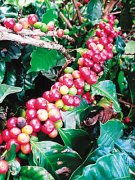
Classification of coffee trees
In recent years, coffee producing countries no longer blindly pursue high output while neglecting quality. Many countries have begun to introduce a new coffee evaluation system in order to arouse the enthusiasm of producers and promote the production of fine coffee. For example, Brazil began to implement the Cup of excellence coffee rating system in 1999 in order to better subdivide boutique coffee. And boutique coffee has become

Honduran Coffee Classification characteristics of Honduran Coffee Price
Overall, Honduran coffee has a good reputation and is suitable for mixed coffee. Coffee in Honduras is imported from El Salvador. Honduras produces high-acid high-quality coffee. Like other places, the coffee grade in Honduras depends on altitude: coffee grown at 700 to 1000 meters above sea level is medium, and grown at 1000 to 1500 meters above sea level
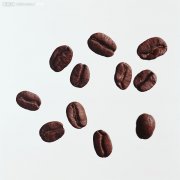
Grading defective beans according to the proportion of sieve and defective beans is an important factor that destroys the flavor of the final coffee.
Boutique coffee (specialty coffee) is also called specialty coffee selection coffee. It refers to coffee made from a small number of raw beans with excellent taste grown in an ideal geographical environment. Depending on the special soil and climatic conditions in which they grow, they have outstanding flavor. After strict selection and classification, this kind of coffee is hard in texture, rich in taste and stylish.

A brief introduction to the varieties of coffee beans-how many countries have planted coffee trees
Due to the spread of coffee in different areas, the age of development is also different, ethnic groups or including religious beliefs are also different, so different regions retain different methods of making and drinking coffee. The earliest was Turkish coffee; then there was filtered coffee, Italian espresso (Espresso), and so on. This classification concept mainly refers to the selection of different coffee beans.
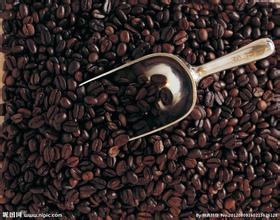
Classification of coffee quality in Colombia
The world's second largest coffee producer after Brazil. Is the leader in the country that produces Colombian mild. The name of origin has become a well-known name for coffee, such as Medning, Manizarez, Bogota, Almenia and so on. Coffee beans are light green and large-grained, according to their unique thick flavor, whether they are pure coffee or mixed.
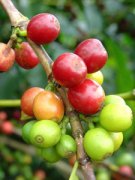
Boutique coffee is classified according to sieve grade.
The way of grading according to the screen is the method of grading according to the size of raw coffee beans. Raw beans are graded by determining the size of the beans through a holed iron plate sieve. The size of the hole in the screen is 1x64 inches (less than 0.4mm), so the size of the screen indicates that there are several screens with a size of 64 inches. For example, the size of the screen size 17 is 17thumb 64 inches, which is about 6.75mm, so the screen

Coffee bean grade classification coffee acidity grade coffee bean grading standard
For more information on coffee beans, please follow the coffee workshop (official Wechat account cafe_style). Most people mistakenly think that coffee will taste sour if it is not fresh. In fact, coffee itself is an acidic drink. Whether coffee is sour or not depends on the variety and baking degree of beans. The longer the roasting time is, the higher the caramelization degree is, and the acidic substances are destroyed.

Coffee quality grading-coffee bean grading
There is no internationally accepted standard for coffee quality grading, and the grading method varies from country to country. Therefore, coffee classification is based on some of the characteristics applicable to each producing country. The sample of coffee beans taken from a bag is judged according to the standards of the producing country, the samples are rated, and most of the coffee is good or bad according to the evaluation.

Types of coffee, classification and taste of coffee beans? What are the common types and classifications of coffee?
Professional coffee knowledge exchange more coffee bean information please follow the coffee workshop (Wechat official account cafe_style) coffee varieties, coffee bean classification and taste? What are the common types and classifications of coffee? At present, coffee beans are grown in about 66 countries in the world, and they can be classified as Arabica, Robusta and Liberica. There are all the coffee trees in the world.

Flavor classification of coffee bean producing areas in Tanzania
Following Cafe comment (Wechat official account vdailycom) found that Beautiful Caf é opened a small shop of its own country name: United Republic of Tanzania: about 945000 square kilometers of country population: about 43.18 million people climate: the distribution of the four seasons is obvious, the year is divided into dry season and rainy season. Most of the territory of Tanzania is located in the plateau and the climate is more comfortable. one

Coffee knowledge | Classification and characteristics of common coffee beans
Professional baristas please follow the coffee workshop (Wechat official account cafe_style) [about coffee beans] what is available on the market is coffee in three forms: raw beans, cooked beans and coffee powder. It is recommended that you buy coffee cooked beans, and the fresh the better, because raw beans need to be roasted to change the taste before consumption, but after baking, various flavors will follow moisture and carbon dioxide.

How many kinds of coffee are there in the world? bookstore cafes
In addition to the classification according to the planting area, there is another classification of coffee plants, that is, coffee trees, or coffee varieties. According to plant classification, the number of varieties of coffee trees is very large, but there are only two main varieties commonly used for coffee; one is Arabian coffee, and the other is Robbas special coffee. The former tastes pure and tastes good, but the concentration
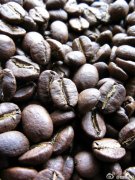
How coffee beans are graded in coffee producing countries
The traditional coffee bean classification method is usually based on the classification standard defined by the coffee producing country, and then agreed on the international market, and traded under such tacit understanding.
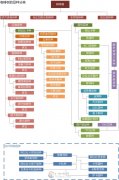
Selection of basic Coffee Tree Classification
Arabica Coffee and Variety improvement. What do the so-called families, genera and species of Arabica species mean in biological classification? In terms of biological classification, it is divided into boundary, phylum, class, order, family, genus and species from top to bottom, and the lower part of the species is subdivided into subspecies, varieties and varieties. Arabica coffee is generally thought to originate from the Ethiopian plateau and is widely divided.

Coffee Raw Bean sieve grading Table (SCREEN SIZING)
Coffee is produced in more than 50 countries in the world, and different standards of raw bean classification have been derived, of which the most basic common classification method is the Screen Sizing classification method based on the particle size of raw coffee beans. The raw beans to be graded are put into the sieve plate and shaken continuously. Only the raw beans whose particles are larger than the pore diameter are retained, and the rest fall down.

The name of Ninety plus90+Kemgin wild ginger flower derives from its unique flavor classification and password classification.
Exchange of professional baristas follow the coffee workshop (Wechat official account cafe_style) Kemgin (wild ginger flower) the origin of the name: coffee from Nekempte (Nakentup town) in western Ethiopia, it is characterized by lively and clean, with slight flavors of fruit, citrus and ginger. The Kem in the name of Kemgin is quoted from the Nakentep region, and Gin is Ginger (